

bb9games Oficial - O melhor cassino online do Brasil🍀 | Understanding the Complexity of Jueteng
Understanding the Complexity of Jueteng: An Enduring Illegal Numbers Game
Jueteng is a popular underground numbers game in the Philippines, deeply ingrained in the socio-cultural and economic fabric of the country. Despite attempts by the government to eradicate it, jueteng has persisted, largely due to various socio-economic factors and local cultural acceptance. This exploration aims to delve into its operation, impact on society, and the perpetual challenge it poses to law enforcement agencies.
The Mechanics of Jueteng
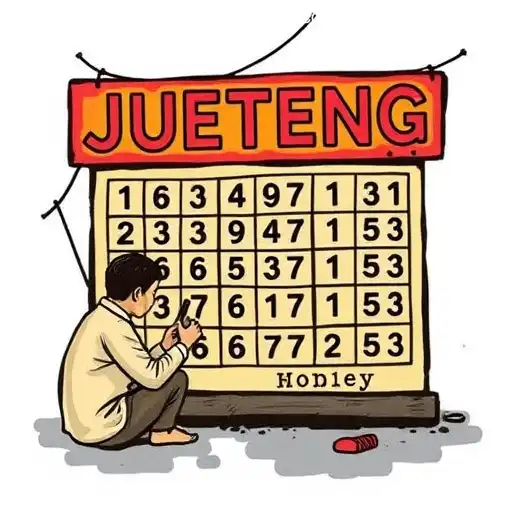
Jueteng operates on a straightforward betting system. Players select a combination of numbers which they hope will be drawn. These numbers usually range from 1 to 37, making it akin to a simple lottery system but without the official oversight or regulation. Jueteng draws often occur twice a day, offering ample opportunity for bettors to try their luck repeatedly.
The simplicity of jueteng, coupled with its affordability, makes it accessible to a vast portion of the Philippine population. Bettors can play with very small amounts, sometimes as little as a single peso, which contributes to its widespread popularity, especially in lower-income communities.
The Persistence of Jueteng
The persistence of jueteng can be attributed to several factors. Firstly, it operates as a means of livelihood for many people involved in the network, ranging from the collectors or "kubradors" who gather bets, to the "cabos" and "bankeros" who manage and finance the operations. For many, working within the jueteng network is a viable source of income due to limited employment opportunities.
Secondly, jueteng provides a sense of hope among its players. In areas plagued by poverty, the prospect of a relatively large payout from a small bet provides a glimpse of financial relief or, at the very least, a momentary escape from their economic hardships.
Regulatory Challenges and Social Impact
The Philippine government has made numerous attempts over the years to curb the spread of jueteng, but these efforts have largely been unsuccessful. The game is often protected by corrupt practices involving local officials and law enforcement, making it difficult to dismantle the operations. The illegal nature of jueteng means that it operates outside of regulated systems, leading to significant loss in possible tax revenue that could have been used to support public welfare.
Aside from the economic implications, jueteng has significant social impacts. It perpetuates a cycle of dependency where individuals rely on gambling winnings rather than stable employment to make ends meet. This can have negative effects on families and communities, as it may lead to financial instability and relationship strains.
Comparative Analysis with Legal Gaming Platforms
In contrast to jueteng, legal gaming platforms such as bb9games Oficial - O melhor cassino online do Brasil🍀 offer regulated gambling opportunities in various forms, including online casinos. These platforms operate within the framework of legal regulations, ensuring fair play, legitimate payouts, and secure transactions.
Unlike jueteng, legal gaming platforms are subject to tax regulations, contributing to the economy through tax payments which can then be used to support social services and public infrastructure. This contributes positively to the socio-economic framework of their respective jurisdictions.
The Way Forward
Efforts to address the issue of jueteng need to be multifaceted, incorporating not only stricter law enforcement but also addressing the root socio-economic issues that make jueteng attractive to both players and operators. Programs aimed at providing viable employment and educational opportunities could help reduce the reliance on jueteng as a source of income and hope.
In conclusion, jueteng is a deeply embedded cultural phenomenon that poses significant challenges to law enforcement in the Philippines. While it serves as an economic lifeline for many, its illegal status and potential for fostering corruption and financial dependency make it a complex issue that requires comprehensive solutions, involving both governmental action and community-level interventions.


Mapa do Site Google